
Our work supporting young people to get jobs is a combination of heads and hearts.
We passionately believe that all young people have potential, and that unleashing it benefits them, and all of society.
But we also measure everything we do on The Spear Programme - and change it if it’s not working. That’s why three in four who complete the programme get into work or education and are still there a year later.
We submitted Spear’s results to the Data Lab at the Department for Work and Pensions in 2022, and it concluded that Spear is highly effective.
Youth Guarantee funding
We think that all programmes like ours have an obligation to prove they work, and that includes those that receive public funding or referrals from Jobcentres.
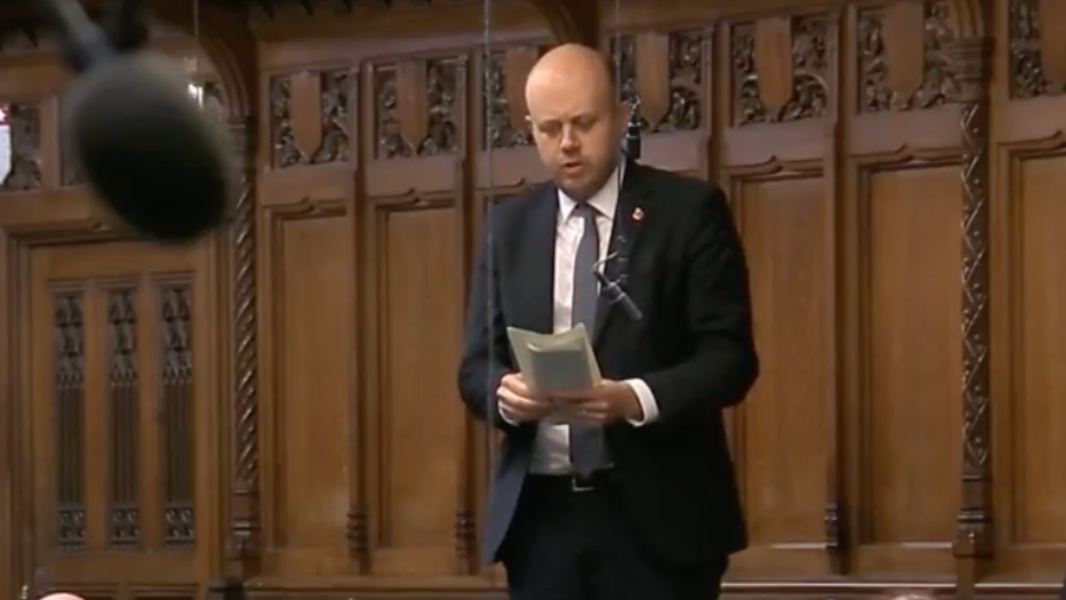
Joe Powell MP agrees, and yesterday in Parliament he pressed the Secretary of State for Work and Pensions on this point. He asked how evidence will guide the use of government funding to get young people into work in its Youth Guarantee “trailblazer” areas.
The government is spending £90 million over two years on employability schemes in eight “trailblazer” areas.
So far, we’ve seen little in the way of evidence that decisions to fund schemes through this initiative have been based on robust evidence that they work.
In addition, some Jobcentres have directories of employability schemes to which they can refer young people who aren’t earning or learning. The directories that we’re aware of have little in the way of quality assurance: they don’t seem to distinguish between support that’s proven to work, and schemes that are a waste of a young person’s time.
Nearly 1m not earning or learning
As the UK’s purse strings tighten, and the number of people aged 16-24 who are not in education, employment or training hovers at nearly a million, we think all schemes have an obligation to prove that they’re a good use of money, and young people’s time.
And those who make the funding decisions and referrals should be equipped and incentivised to use that evidence.